AI Stick Figure Video Generator
Type a topic or paste a script and get a narrated, captioned video where every line gets its own hand-drawn stick figure scene.
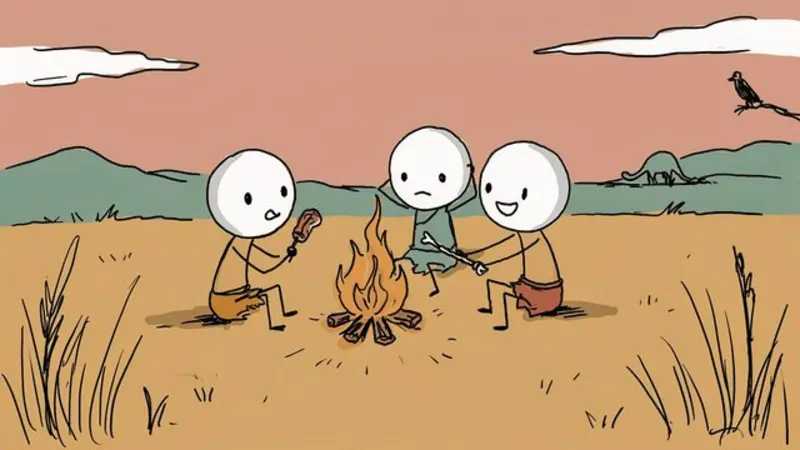
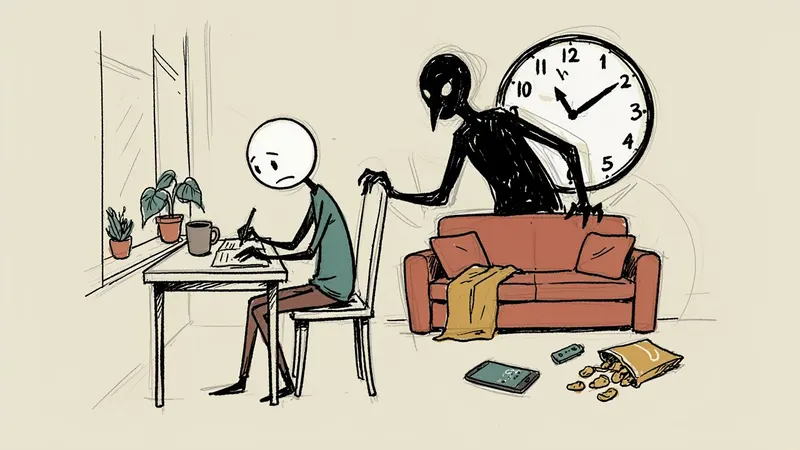
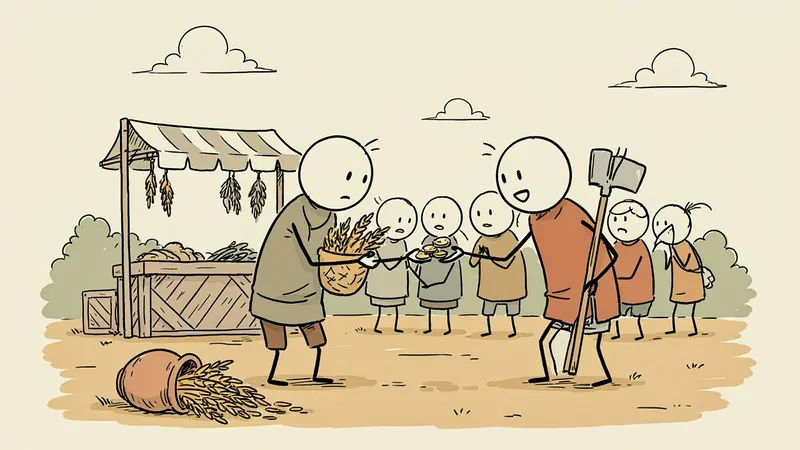
AI images · Fast cuts · No music · Hard cuts · Can be animated
Opens ShortFast with the Stick Figure style selected. Create an account to generate.
Create a stick figure videoStick figure videos use the plainest drawing there is: big round white heads, dot eyes, thin ink limbs and a flat, muted background. That plainness is the point. With nothing in the art to admire, all the attention goes to the idea, and a small change of posture or expression reads instantly. It is a common look for history, psychology and how-it-started explainers, from what ancient humans did all day to why procrastination is so hard to beat.
ShortFast builds these from a topic or a script you paste. It writes the narration (or keeps your words exactly), picks a voice, splits the script into scenes and draws a new stick figure image for each one, all in the same doodle style with the same recurring characters. Captions are burned in, and the finished video downloads or posts itself to TikTok, YouTube Shorts and Instagram Reels.
Making a stick figure video
- 01
Describe the topic or paste a script
Start from an idea such as "What did ancient humans actually do all day?", or paste a script you already wrote and ShortFast keeps your words.
- 02
The AI splits it into scenes
Every scene gets its own picture, and a shared palette, setting and recurring characters keep each image in the Stick Figures look from the first scene to the last.
- 03
Voice, captions and pacing
Pick one of 21 narration voices. Captions are burned in, and the Stick Figures defaults (fast cuts, no music, hard cuts) are already set. You can change any of them.
- 04
Download, post or run a series
Download the video, auto-post it to TikTok, YouTube Shorts and Instagram Reels, or turn the theme into an automated series that makes a new episode on a schedule.
Why a drawing this simple holds attention
A stick figure is almost pure gesture. With no clothing, faces or lighting to process, the viewer reads the pose in a fraction of a second, which is all the time a fast-cut short gives them. Slumped shoulders mean tired, raised arms mean a win, a tiny figure next to a huge object means scale. The drawing illustrates the sentence and then gets out of the way.
The format also lets the viewer fill in the gaps. A doodle of a caveman staring at a fire is funnier than a painted one, because the simplicity is a joke the audience is in on. That light, slightly deadpan tone suits topics that could otherwise feel like homework, such as economics, psychology or ancient history.
It is also honest about being an illustration. Nobody mistakes a stick figure for footage, so the video never has to pretend. That makes it a safe choice for hypotheticals, reconstructions of the distant past and ideas that have no photograph at all, like a feeling, a cognitive bias or a habit slowly forming.
History, psychology and how-it-started topics suit it best
The style works for any topic that is a chain of small actions by people: how money was invented, what a medieval farmer ate, why we replay embarrassing moments at night, how a bad habit takes hold. Each step becomes one small drawing, and a sequence of twenty doodles tells that kind of story better than two detailed paintings would.
Channels built around a narrator with a dry, curious voice fit it well, as do series that explain one idea per video. It can work for kids learning content too, if the script stays simple and the jokes stay gentle, because the characters are friendly and never frightening.
It is a weak fit for topics where the viewer needs to see the real thing: a product, a place, a specific person, a luxury car or a sports highlight. A stick figure cannot show what a watch looks like. For those, footage or a photoreal style does the job, and a doodle will feel like it is avoiding the subject.
Scripting a stick figure short that cuts on every phrase
This style defaults to fast pace, no music and no transitions, and each choice has a reason. Stick figure explainers live on the narration, so the voice sits alone in the mix instead of competing with a music bed, and each new drawing lands on a hard cut. At the fast pace a new visual appears every two to four seconds, so a 60-second short carries roughly 15 to 30 drawings.
Write for that rhythm. Use short sentences, one concrete image per phrase, and a first line that states something strange or specific rather than announcing the topic. "For most of history, nobody had money" beats "Today we look at the history of money." A 60-second script has room for about 150 words, which is one idea explained well.
Give the video a main character and let the scene planning keep them. When ShortFast splits the script into scenes, it writes each picture plus a shared palette, setting and cast inside the doodle style, so the same stick figure walks through the whole story. If you want the drawings to move, Animate images turns each one into a short clip in the same style for videos up to 2 minutes, at a higher credit cost.
Run it as an automated series
Give ShortFast one theme and it makes a new stick figure video on a schedule, every day, twice a day or a few times a week. Each episode covers a new topic on the theme, and the video is emailed to you or posted to your accounts. Themes that work well in this style:
- What life was like in a different era, one per video
- One psychology fact explained every day
Niches that suit this style
Facts
A playbook for running a faceless facts channel: formats that add editorial value, ready-to-use hooks, a full sample script, what to put on screen, and an honest look at RPM and YouTube's inauthentic-content rules.
Open NicheHistory
A playbook for running a faceless history channel: the formats that get watched, ready-to-use hooks, a full sample script, what to put on screen, and an honest look at RPM and how long monetization takes.
OpenCommon questions
- How many drawings does a stick figure video need?
- At the default fast pace, a new drawing every two to four seconds, so roughly 15 to 30 for a 60-second short. That density is what stops a simple style from feeling static. For a calmer explainer you can switch the pace to normal, which changes the visual when the idea moves on, around every five seconds.
- Will the same stick figure appear in every scene?
- That is the aim. The stick figure art direction leads every image prompt, and the AI that splits your script into scenes writes a shared palette, setting and recurring characters for the whole video. The figure in scene one is drawn the same way in scene twenty, instead of a new doodle style for every shot.
- Can a stick figure channel be monetized?
- Nothing guarantees it, and the art style is not what platforms judge. They reward original, non-repetitive videos that give viewers something of value. A stick figure channel with a researched script per video, a clear angle and topics that do not repeat is in a far better position than one that reuses the same template with the nouns swapped.
- Can I run a stick figure series on autopilot?
- Yes. Set a theme such as what life was like in a different era, one per video, or one psychology fact explained every day, and pick a schedule: every day, twice a day, three times a week or weekly. Each episode covers a new topic on the theme. Videos are emailed to you with a download link or posted automatically.
Other illustrated styles
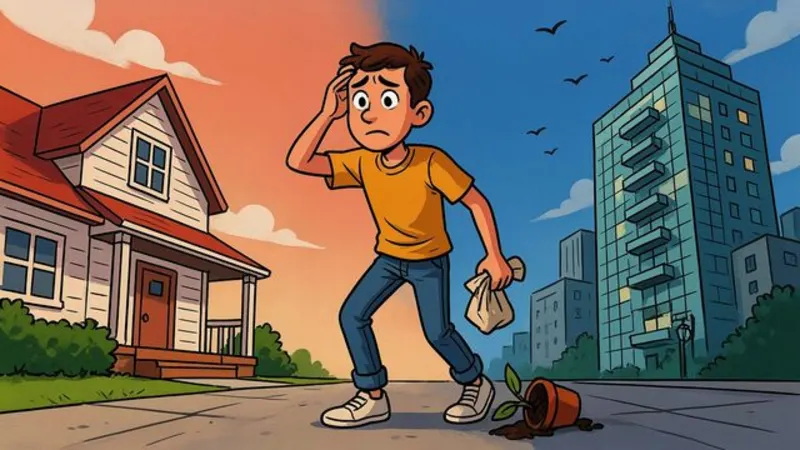
Cartoon Explainer
Bold, expressive YouTube cartoon
Great for Finance · Business · Explainers
AI images · Natural pace · No music

Anime
Cel-shaded, painted skies
Great for Stories · Life lessons
AI images · Natural pace · Music
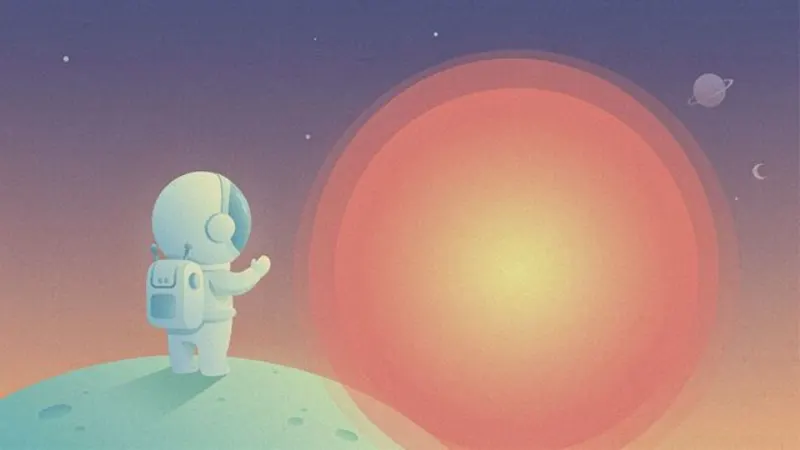
Flat Vector
Clean shapes, science-explainer look
Great for Science · Space · How it works
AI images · Natural pace · Music
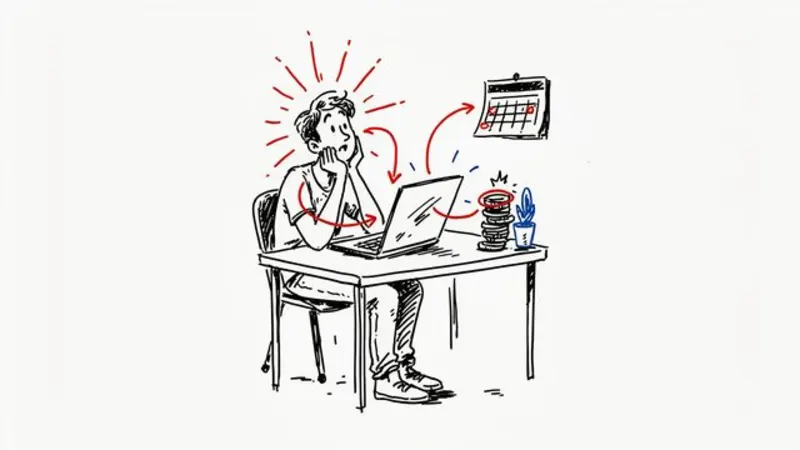
Whiteboard
Marker doodles on white
Great for Education · Finance · Self-help
AI images · Fast cuts · No music
Make your first stick figure video
ShortFast writes the script, draws every scene in this style, adds the voice and captions, and can post it for you every day.