AI Claymation Video Generator
Turn a topic or a script into a narrated video that looks like handmade stop-motion clay, with one tiny set per scene.
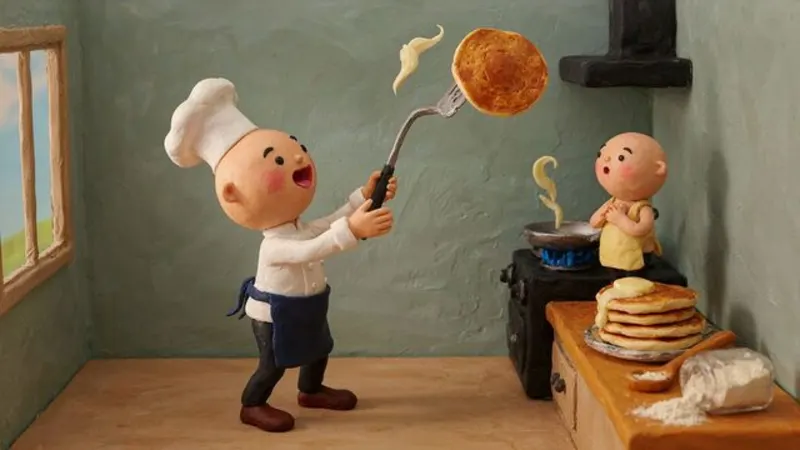
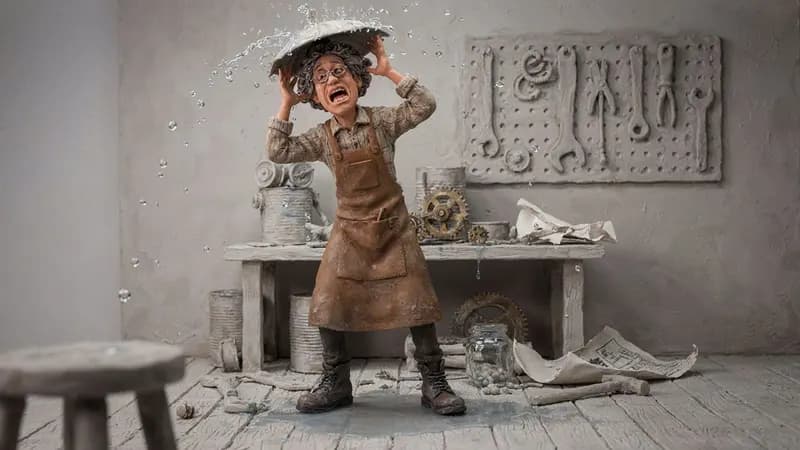
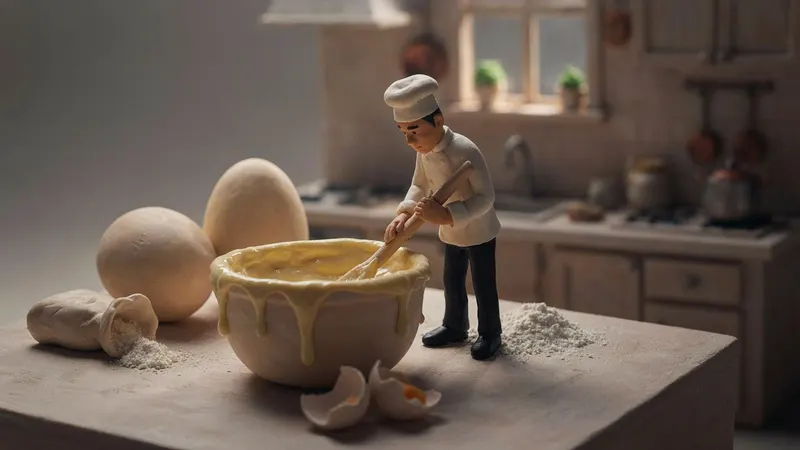
AI images · Natural pace · Music · Transitions · Can be animated
Opens ShortFast with the Claymation style selected. Create an account to generate.
Create a claymation videoClaymation is the look of stop-motion clay animation: chunky hand-sculpted characters, visible thumbprints and tool marks, felt and cardboard props, and small sets lit like a tabletop. It feels handmade and a little imperfect, which is exactly its charm. Food explainers, funny stories, failed inventions and kids content use it because it makes ordinary things look playful and worth a second look.
Real stop-motion takes days of posing figures frame by frame. ShortFast gives you the look without the modeling clay: paste a script or start from a topic like "How chocolate is made, from bean to bar," and it writes or keeps the narration, splits it into scenes and draws each one as a clay set. The same clay characters and palette run through the whole video, with captions, a voice and music added.
Making a claymation video
- 01
Describe the topic or paste a script
Start from an idea such as "How chocolate is made, from bean to bar", or paste a script you already wrote and ShortFast keeps your words.
- 02
The AI splits it into scenes
Every scene gets its own picture, and a shared palette, setting and recurring characters keep each image in the Claymation look from the first scene to the last.
- 03
Voice, captions and pacing
Pick one of 21 narration voices. Captions are burned in, and the Claymation defaults (natural pace, background music, transitions) are already set. You can change any of them.
- 04
Download, post or run a series
Download the video, auto-post it to TikTok, YouTube Shorts and Instagram Reels, or turn the theme into an automated series that makes a new episode on a schedule.
Why a handmade clay texture stops the scroll
Clay signals effort and play at the same time. The slight lumps, fingerprints and wobbly edges tell the viewer a person could have made this, and that handmade texture stands out in a feed full of polished footage and glossy renders. It invites a closer look, which is the whole game in the first two seconds of a short.
The style also has comedy built in. Clay characters have simple faces with big mouths and round eyes, so exaggerated reactions land easily: a chef watching a cake collapse, an inventor staring at a machine that just fell apart. Food looks especially good in clay, with glossy chocolate, lumpy bread and bright vegetables that read clearly on a small screen.
Food, funny and kids topics, and where clay falls flat
The strongest topics are processes and small stories. How a food is made suits clay because each step becomes its own set: cocoa pods on a tree, beans drying in the sun, a factory of clay machines, a finished bar. Funny failed inventions, a day in the life of a tiny chef, animal stories and simple lessons for kids work for the same reason. Each scene has one object or character doing one thing.
Clay is a weaker choice for anything that needs to look precise or serious. Data-heavy money topics, medical detail, news and true crime lose credibility in plasticine, and fine detail like maps, charts or small text does not survive the clay texture well. Real places also turn into toy versions of themselves, which is lovely for a playful travel piece and wrong for a documentary. A documentary or cinematic style suits those better.
Building a claymation short that people finish
Write in beats, one action per scene. Process videos almost script themselves: "First the beans ferment for days. Then they dry in the sun." Each sentence hands the scene writer a clear clay set to draw. For a funny video, set up the joke in one scene and pay it off in the next, so the reaction gets its own frame instead of being squeezed into the setup.
The style starts on a normal pace, with music and transitions on. A new image around every five seconds suits clay, because viewers like to take in the little details of each set, and a light soundtrack with gentle transitions fits the toy-box mood. If your script is a quick countdown of failed inventions, fast pace keeps the jokes moving. All three settings can be changed.
Stop-motion is defined by movement, so this is the style where the Animate images option earns its place most. It turns each clay scene into a short AI video clip in the same look, so figures move instead of holding a pose. It costs more credits, billed per second of video, and is available for videos up to two minutes.
Run it as an automated series
Give ShortFast one theme and it makes a new claymation video on a schedule, every day, twice a day or a few times a week. Each episode covers a new topic on the theme, and the video is emailed to you or posted to your accounts. Themes that work well in this style:
- How a favorite food is made, one per video
- The funniest failed inventions, a new one each time
Niches that suit this style
Facts
A playbook for running a faceless facts channel: formats that add editorial value, ready-to-use hooks, a full sample script, what to put on screen, and an honest look at RPM and YouTube's inauthentic-content rules.
Open NicheKids Learning
A playbook for a faceless kids learning channel: alphabet, numbers and animal explainers built on real footage, with formats, hooks, a sample script and a practical guide to made-for-kids rules and their effect on revenue.
OpenCommon questions
- How do I make the clay look handmade rather than plastic?
- The clay art direction leads every image prompt, so the texture comes from the style. What you control is the subject. Scripts that mention physical, tactile things (dough, fabric, wooden spoons, cardboard boxes) give each scene more to sculpt, while abstract lines like "the economy grew" leave the scene writer guessing. Concrete nouns make better clay sets.
- Will my clay character look the same in every scene?
- The AI that splits your script plans a shared palette, setting and recurring characters before any image is drawn, and the clay style leads every prompt, so a tiny chef stays a tiny chef in the same apron. Describing the character once near the start, such as "a round little chef with a tall white hat," helps keep the small details steady.
- Are AI claymation videos original enough for a monetized channel?
- No tool can promise monetization; platforms decide. They reward original, non-repetitive content that gives viewers something real. Each video gets its own script and freshly drawn scenes, but the idea still has to be yours: a process explained accurately, a joke with a real setup, a character with a personality. Identical videos with the nouns swapped are what their policies target.
- Can I make a claymation series that runs on its own?
- Yes. Pick a theme like "How a favorite food is made, one per video" and a schedule: every day, twice a day, three times a week or weekly. Each episode covers a new topic on that theme. ShortFast emails you a download link or posts to TikTok, YouTube Shorts and Instagram Reels. Turn on Animate images for moving clay scenes on videos up to two minutes.
Other 3d styles
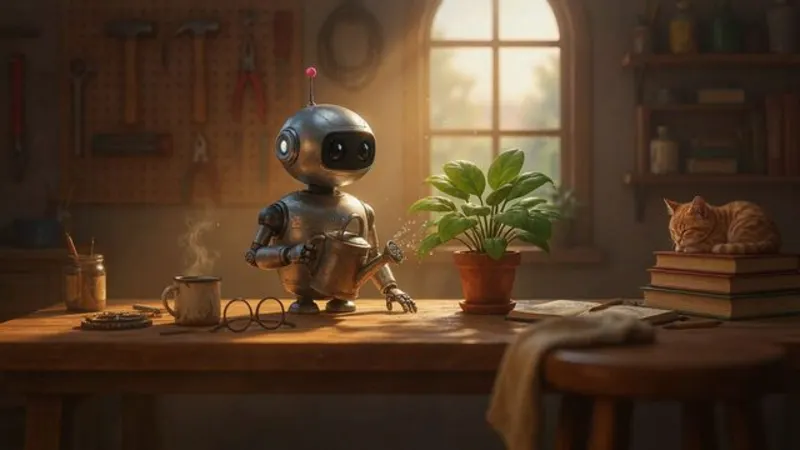
3D Animation
Animated-movie characters
Great for Kids · Fun facts · Stories
AI images · Natural pace · Music
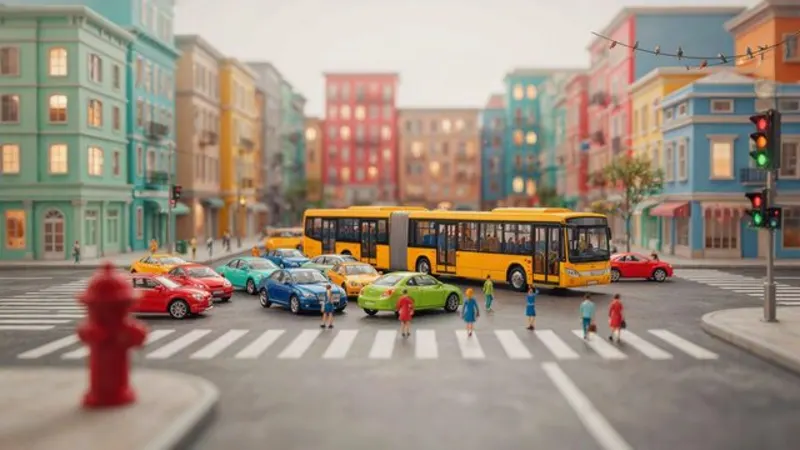
Miniature World
Tilt-shift toy diorama
Great for Cities · Economics · Logistics
AI images · Natural pace · Music

Science 3D
Microscopic medical renders
Great for Health · Biology · Medicine
AI images · Natural pace · Music
Make your first claymation video
ShortFast writes the script, draws every scene in this style, adds the voice and captions, and can post it for you every day.