AI Dark Mystery Video Generator
Turn an unsolved case, a disappearance or a local legend into a narrated video with foggy, low-light scenes that hold long enough to build dread.
AI images · Slow pace · Music · Transitions · Can be animated
Opens ShortFast with the Dark Mystery style selected. Create an account to generate.
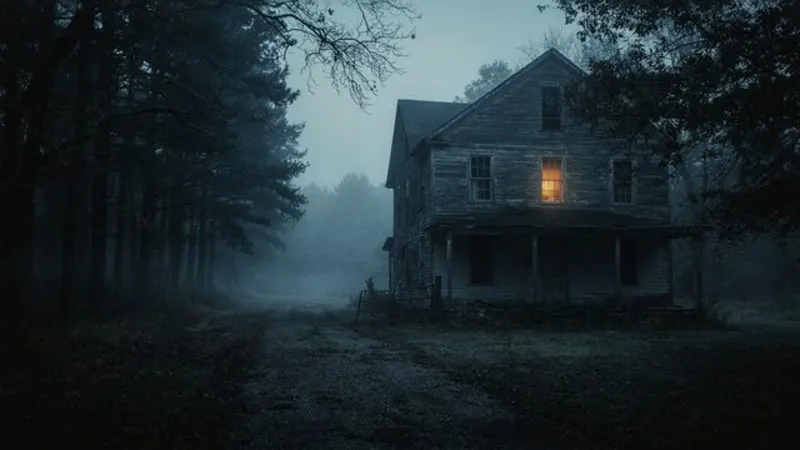
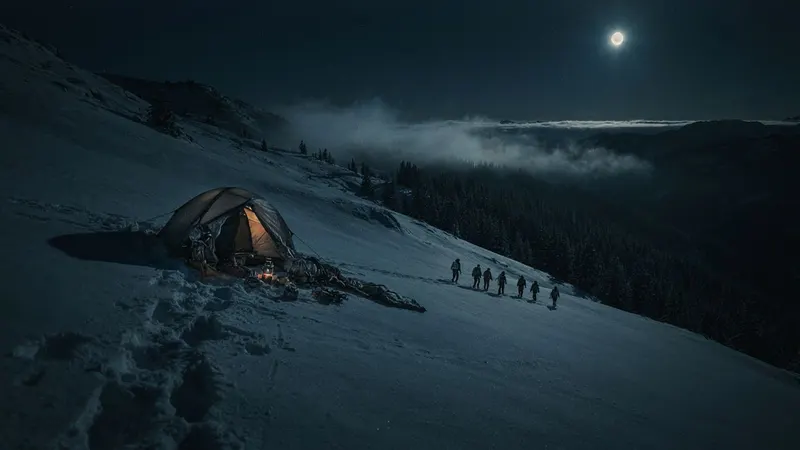
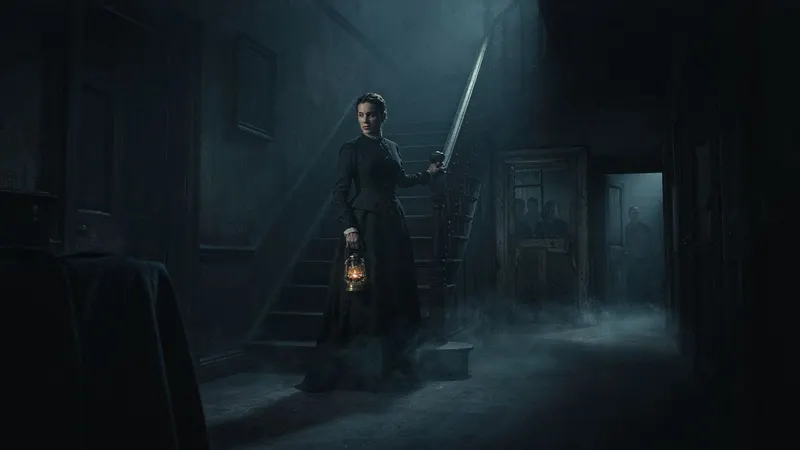
Create a dark mystery videoThe dark mystery look is low light, heavy fog and deep shadow: an empty road at night, a cabin with one lit window, a forest where the path disappears into gray. Nothing is spelled out, and that is the point. The viewer fills the dark with their own imagination, which is exactly what a story about a disappearance or an unexplained event needs.
ShortFast builds the whole video from a topic or from your own script. It writes the narration or keeps yours word for word, picks a voice, draws every scene as its own image in this look, burns in captions and adds music. Start from a classic like the unsolved disappearance of Flight 19 or the Dyatlov Pass incident explained, and you get a finished video ready to download or post.
Making a dark mystery video
- 01
Describe the topic or paste a script
Start from an idea such as "The unsolved disappearance of Flight 19", or paste a script you already wrote and ShortFast keeps your words.
- 02
The AI splits it into scenes
Every scene gets its own picture, and a shared palette, setting and recurring characters keep each image in the Dark Mystery look from the first scene to the last.
- 03
Voice, captions and pacing
Pick one of 21 narration voices. Captions are burned in, and the Dark Mystery defaults (slow pace, background music, transitions) are already set. You can change any of them.
- 04
Download, post or run a series
Download the video, auto-post it to TikTok, YouTube Shorts and Instagram Reels, or turn the theme into an automated series that makes a new episode on a schedule.
Why fog and shadow do the storytelling
Suspense comes from what the viewer cannot see. A dark mystery frame hides most of the scene on purpose: a doorway half lost in black, headlights swallowed by fog, a figure too far away to identify. The narration names the facts and the image leaves room for doubt. That gap between what is said and what is shown is where tension builds.
The palette is narrow, mostly cold blues, grays and near black, with a single warm light when a scene needs a focal point. Keeping it that tight is what makes a two-minute video feel like one story instead of a stack of unrelated spooky pictures. It also makes a channel recognizable in a feed before anyone reads the title.
The look communicates unease without showing violence. That matters for the stories it is usually used for, because the scariest version of a real case is rarely the most graphic one, and platforms are far less forgiving of gore than of atmosphere.
Unsolved cases, creepy history and horror fiction, and where the look falls flat
The natural fits are unsolved disappearances, unexplained events, haunted-house histories, cold cases, folklore and fictional horror. Creepy historical events work well as a series, one per video, because each has its own setting while the fog and palette carry across all of them. Scary story channels can use the same look for original fiction or listener-submitted tales.
Real cases involve real people, and many of them have living relatives. Stick to what the record supports, say when a claim is disputed, and separate legend from fact. Much of the famous ghost story around the Winchester House, for example, is contested by historians, and saying so makes a better video. Describe what happened, not injuries, and never invent details about victims.
The look is wrong for anything upbeat or practical. A product tip, a recipe or a finance explainer in fog and shadow reads as a joke or as clickbait. It is also a poor match for breaking news about a recent crime, where speed and speculation can hurt the people involved. Keep it for stories where time has passed and the facts are settled or openly unknown.
Pacing a mystery so viewers stay for the answer
This style defaults to slow pace, where each image holds for 8 to 15 seconds. A one-minute video lands on roughly four to seven scenes, which gives each frame time to be studied and lets the narration breathe between reveals. Background music and transitions are on by default, because a low drone and soft fades carry dread better than hard cuts. You can change all three.
Open on the strangest verified detail, not on the date or the place. "Five Navy planes took off on a routine training flight, and none of them came back" is a stronger first line than a year and a map reference. Then lay out the known facts in order, bring in the explanations one at a time, and end on what is still unexplained or on the answer most evidence supports.
Pick a calm voice rather than a theatrical one, since an understated read is creepier than a dramatic one. The AI that splits your script into scenes keeps the same palette, setting and recurring figures throughout, so the lost hiker or the old house looks the same in scene six as in scene one. For a full case file, the 8 to 15 minute length on the Advanced plan gives it room.
Run it as an automated series
Give ShortFast one theme and it makes a new dark mystery video on a schedule, every day, twice a day or a few times a week. Each episode covers a new topic on the theme, and the video is emailed to you or posted to your accounts. Themes that work well in this style:
- An unsolved mystery every day
- Creepy historical events, one per video
Niches that suit this style
History
A playbook for running a faceless history channel: the formats that get watched, ready-to-use hooks, a full sample script, what to put on screen, and an honest look at RPM and how long monetization takes.
Open NicheScary Stories
A playbook for running a faceless scary stories channel: formats built on original fiction and folklore, ready-to-use hooks, a full sample story, what to put on screen, content-policy cautions, and an honest look at RPM and monetization timing.
OpenCommon questions
- How dark should a mystery video actually be?
- Dark enough to hide part of every frame, not so dark that a phone shows a black rectangle. Many viewers watch in daylight on a small screen, so each scene needs one readable shape or light source: a lit window, a pair of headlights, a silhouette against fog. The captions carry the words, so the image only has to carry the mood.
- Will the same place or person look the same from scene to scene?
- That is what the scene planning is for. The AI that splits your script into scenes writes a shared palette, setting and set of recurring characters, and every image prompt starts from the dark mystery art direction. A lighthouse, a missing hiker or a detective keeps the same look across the video instead of changing with each shot.
- Can a true crime or mystery channel made this way be monetized?
- No tool can guarantee that. Platforms reward original, non-repetitive content with real value, so research each case, write or edit the script for that story, and do not retell the same case under a new title. Accuracy and respect for the people involved also matter, and graphic detail tends to limit how widely a video is shown.
- Can I run an unsolved mystery series, or animate the scenes?
- Yes to both. An automated series such as an unsolved mystery every day produces a new video on a schedule, each on a different case, and posts it for you or emails a download link. The animate images option turns each still into a short AI video clip in the same look. It costs more credits and works on videos up to 2 minutes.
Other cinematic styles
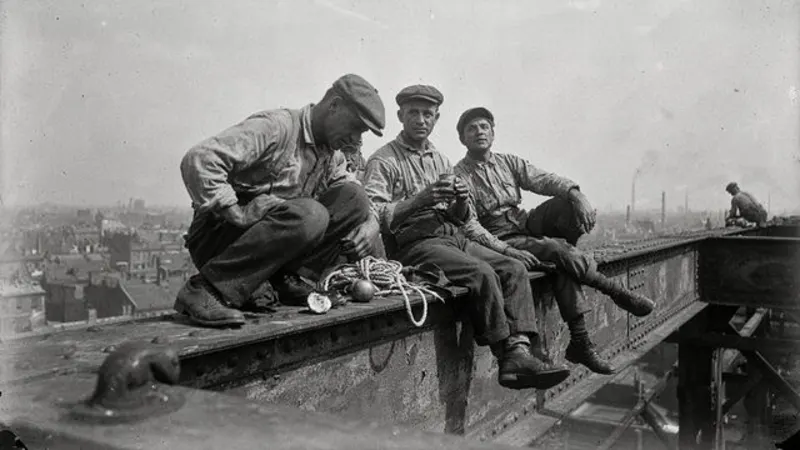
Vintage Archive
Old black-and-white photographs
Great for History · Old times
AI images · Slow pace · Music
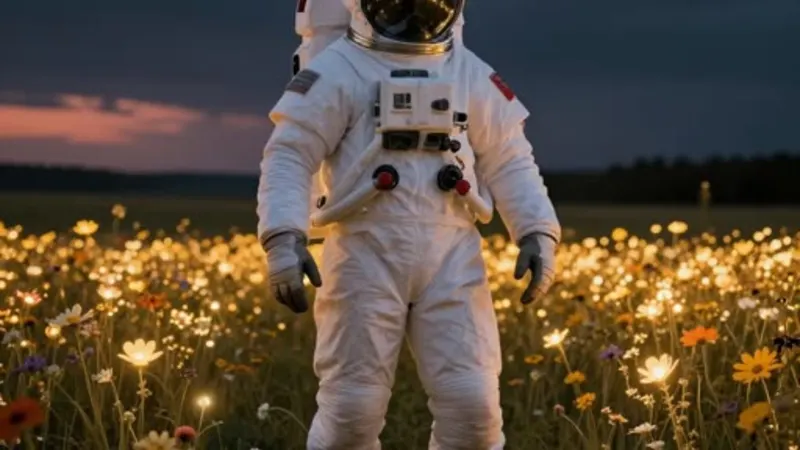
AI Images
Art-directed from your video
Great for Facts · Mysteries · Lists
AI images · Natural pace · Music
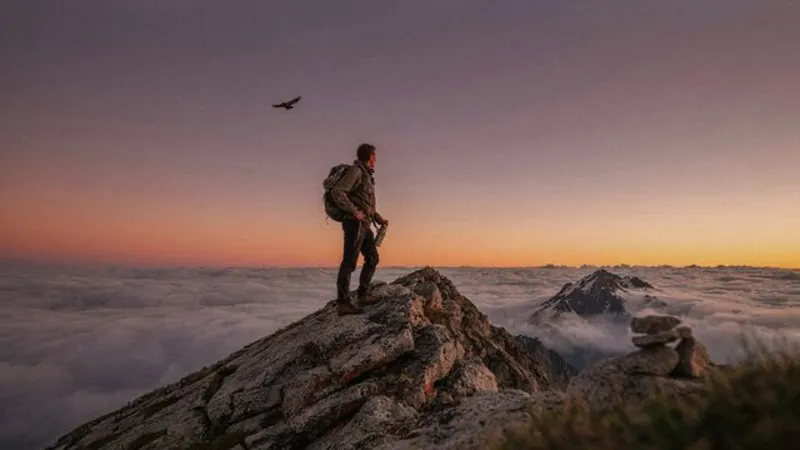
Cinematic
Photoreal film stills
Great for Motivation · Stories · Travel
AI images · Natural pace · Music
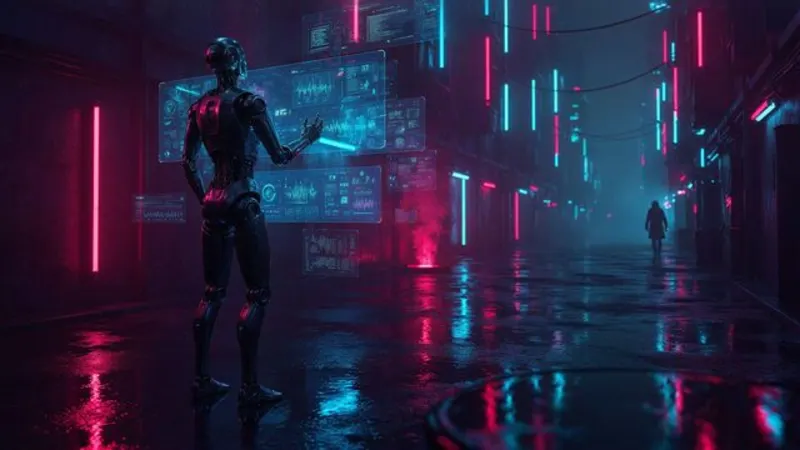
Neon Cyberpunk
Glowing neon, futuristic city
Great for Tech · AI · Future
AI images · Natural pace · Music
Make your first dark mystery video
ShortFast writes the script, draws every scene in this style, adds the voice and captions, and can post it for you every day.