AI Cinematic Video Generator
Photoreal scenes lit and framed like stills from a film, built around your story, with narration, captions and music.
AI images · Natural pace · Music · Transitions · Can be animated
Opens ShortFast with the Cinematic style selected. Create an account to generate.
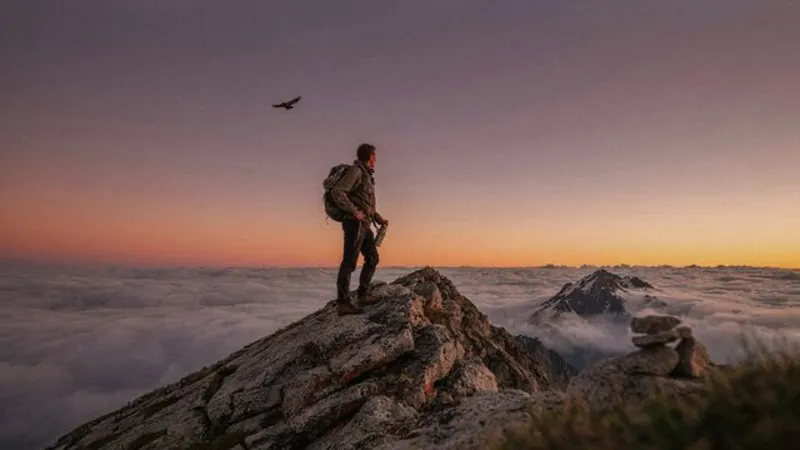
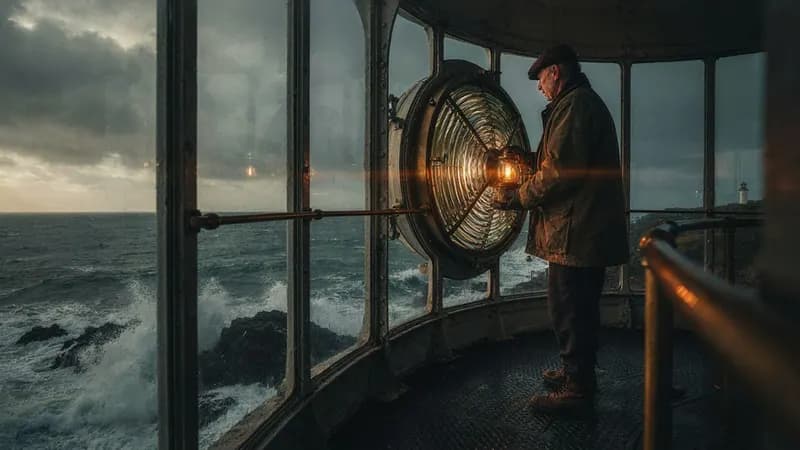
Create a cinematic videoThe cinematic look is photoreal, but composed like a frame from a film rather than a snapshot: a single figure against a wide landscape, low sun, shallow focus, deliberate color grading. It feels serious and expensive, which is why it suits stories with a person at the center, whether that is a runner who refused to quit or a keeper alone in a lighthouse for a whole winter.
ShortFast writes the script from a topic or keeps yours word for word, picks one of 21 narration voices, and draws each scene as its own film still. It burns in captions, adds music, and exports in 9:16 for Shorts, TikTok and Reels or 16:9 for YouTube. Because every image comes from the same art direction, the video reads as one film rather than a set of unrelated stock photos.
Making a cinematic video
- 01
Describe the topic or paste a script
Start from an idea such as "The runner who refused to quit", or paste a script you already wrote and ShortFast keeps your words.
- 02
The AI splits it into scenes
Every scene gets its own picture, and a shared palette, setting and recurring characters keep each image in the Cinematic look from the first scene to the last.
- 03
Voice, captions and pacing
Pick one of 21 narration voices. Captions are burned in, and the Cinematic defaults (natural pace, background music, transitions) are already set. You can change any of them.
- 04
Download, post or run a series
Download the video, auto-post it to TikTok, YouTube Shorts and Instagram Reels, or turn the theme into an automated series that makes a new episode on a schedule.
Light, framing and one subject per shot
Film stills work because each one has a clear subject and a mood set by light. Golden hour for hope, blue night for loneliness, hard side light for struggle. The viewer feels the emotion of a scene before the narration explains it, which is what lets a short motivational story land in under a minute.
The other half is composition. Wide shots place a small person in a big world, close shots show effort and fatigue, and moving between them carries the arc of the story. Cinematic scenes follow that grammar, so a script with a beginning, a setback and a turn gets visuals that rise and fall with it.
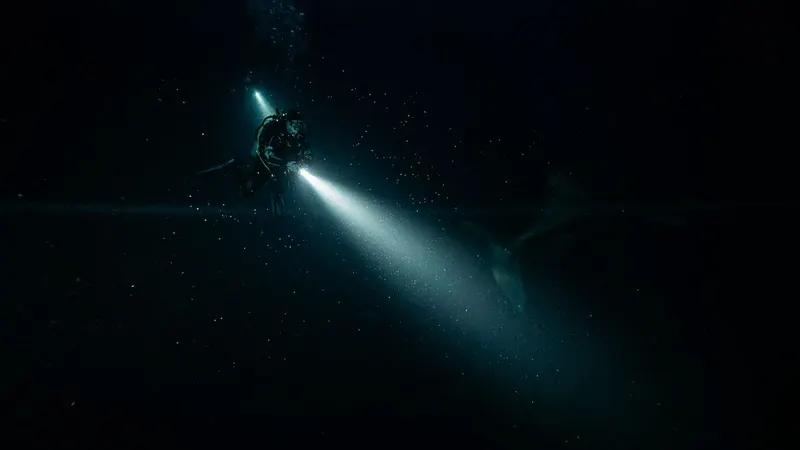
Photoreal images also make abstract ideas concrete. Why the deep ocean at night is terrifying is a list of facts on paper, but a black wall of water under a small boat's lights makes the viewer feel it before the numbers arrive.
Motivation, true stories and travel, and when real footage is better
The look suits stories built around one person and one struggle: athletes, explorers, survivors, workers who kept going. A series like a daily dose of motivation from a real story fits it well, since each episode brings a new protagonist and setting inside the same film look. Travel works too, one destination per video, when the goal is mood rather than a checklist of sights.
Photoreal images carry a responsibility. A convincing AI picture of a real event or a real person can be mistaken for a photograph, so do not present generated scenes as documentary evidence, and label them when the subject is real. For news, recent events, specific public figures or travel guides people use to plan trips, the documentary style built from real stock footage is the better choice.
It is also more than many topics need. Quick tips, lists and explainers with lots of numbers are clearer in an illustrated style, where a chart or a diagram can sit in the frame. Comedy rarely benefits from grave, moody lighting, and kids content usually wants brighter, friendlier characters than a film still gives.
Building a cinematic short around a turning point
Write the script as a story with one turn. Set up the person and the stakes, show the obstacle, then the moment something changed. The runner who refused to quit works because the video builds to a single decision, not because it lists facts about running. Around 150 words fill a one-minute video, which is one story told well.
The default here is normal pace: a new image roughly every 5 seconds, whenever the idea moves on, which gives about a dozen scenes a minute. That is quicker than the slow art styles because film stills read fast, and slower than rapid meme cuts because each frame carries emotion. Music and transitions are on by default, and you can change all three.
The AI that splits your script into scenes plans a shared palette, setting and recurring characters before any image is drawn, so the runner in the opening scene is recognizably the same person at the finish line. Pick a voice that fits the tone, often a warm, measured one for motivation, and let the last line state the lesson plainly.
Run it as an automated series
Give ShortFast one theme and it makes a new cinematic video on a schedule, every day, twice a day or a few times a week. Each episode covers a new topic on the theme, and the video is emailed to you or posted to your accounts. Themes that work well in this style:
- A daily dose of motivation from a real story
- One breathtaking destination per video
Niches that suit this style
Facts
A playbook for running a faceless facts channel: formats that add editorial value, ready-to-use hooks, a full sample script, what to put on screen, and an honest look at RPM and YouTube's inauthentic-content rules.
Open NicheLuxury
A playbook for a faceless luxury channel: lifestyle, watches, cars and real estate tours built from licensed stock footage. Formats, hooks, a sample script, RPM ranges and how to keep it monetizable.
Open NicheMotivation
A playbook for a faceless motivation channel: discipline, mindset and stoic-style narration over real footage. Formats, hooks, a full sample script, RPM ranges and how to stay original at daily volume.
OpenCommon questions
- What makes an AI image look cinematic instead of like a stock photo?
- Deliberate light, a clear subject and framing that leaves space. Stock photos are evenly lit and centered so they can be reused anywhere; film stills are lit for one mood and framed for one moment. The cinematic art direction leads every scene prompt, so grading, depth of field and framing stay consistent across the video.
- Can the same character appear across the whole video?
- Yes. The AI that splits your script into scenes defines recurring characters, a setting and a palette up front, then writes each scene's picture inside that plan. A lighthouse keeper or a runner keeps the same look from the first scene to the last. Describe the character briefly in your script if a specific appearance matters.
- Can a cinematic motivation channel be monetized?
- No tool can promise that. Platforms reward original, non-repetitive content with real value, and motivation is a crowded niche full of recycled speeches and generic quotes. A specific, well-told story per video, with your own script and a clear lesson, is what separates a channel from the rest. Label realistic AI scenes where a platform asks you to.
- Can the stills be animated, or run as a daily series?
- Both. The animate images option turns each still into a short AI video clip in the same cinematic look, billed per second of video and available on videos up to 2 minutes. An automated series, such as one destination per video, produces a new episode on a schedule and posts it for you or emails a download link.
Other cinematic styles
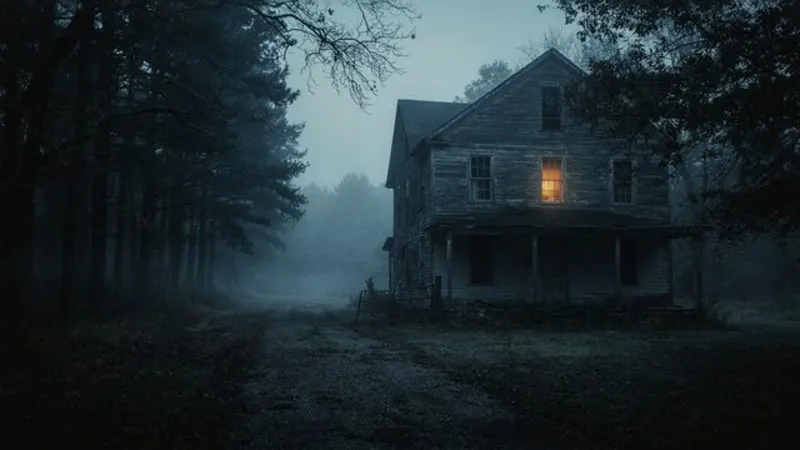
Dark Mystery
Moody, foggy and suspenseful
Great for True crime · Mysteries · Horror
AI images · Slow pace · Music
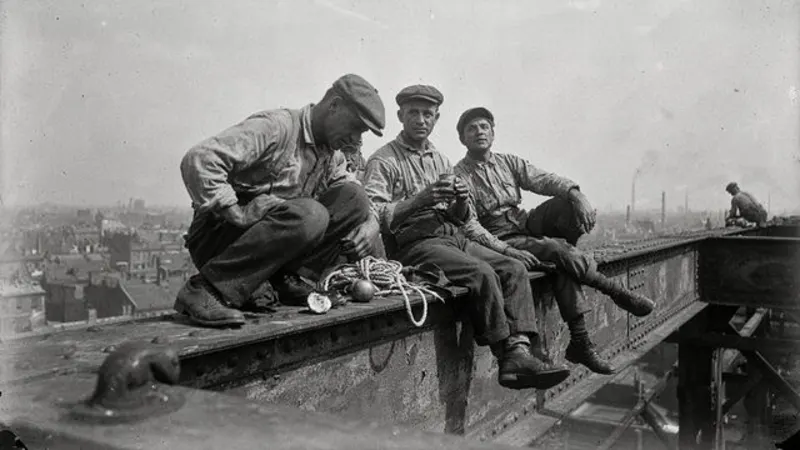
Vintage Archive
Old black-and-white photographs
Great for History · Old times
AI images · Slow pace · Music
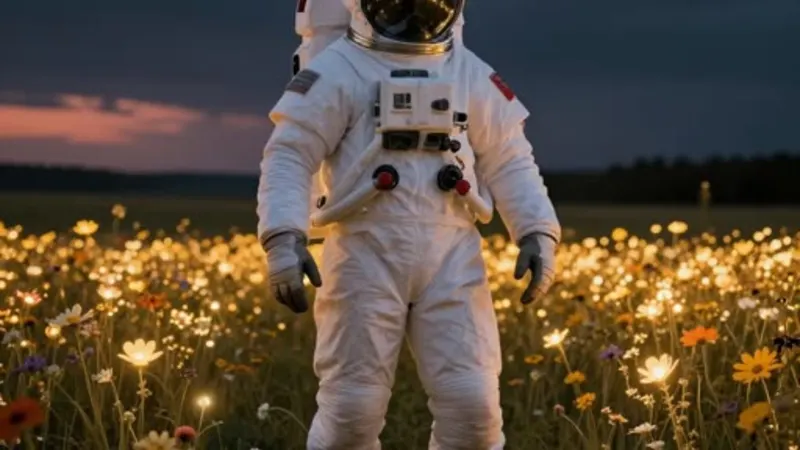
AI Images
Art-directed from your video
Great for Facts · Mysteries · Lists
AI images · Natural pace · Music
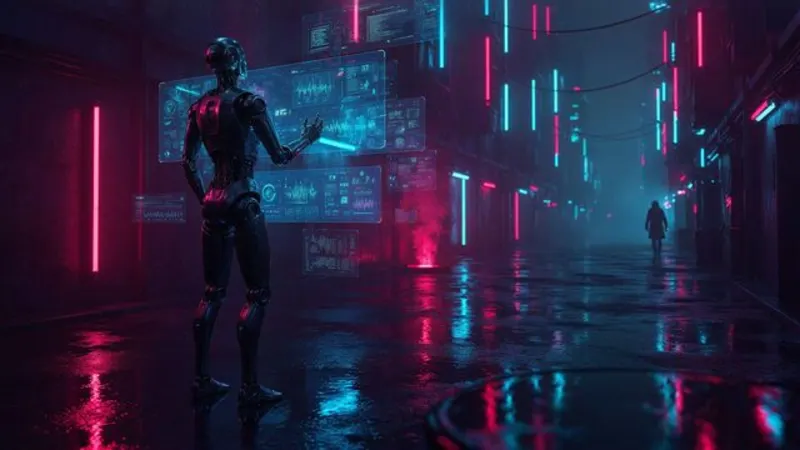
Neon Cyberpunk
Glowing neon, futuristic city
Great for Tech · AI · Future
AI images · Natural pace · Music
Make your first cinematic video
ShortFast writes the script, draws every scene in this style, adds the voice and captions, and can post it for you every day.