AI Retro Poster Video Generator
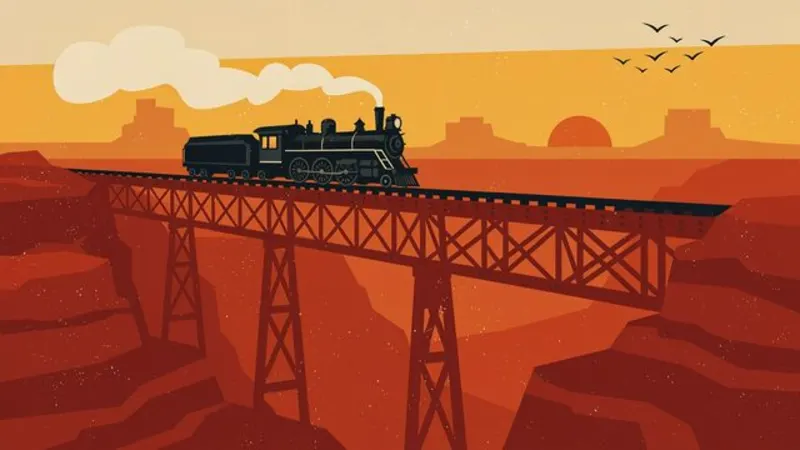
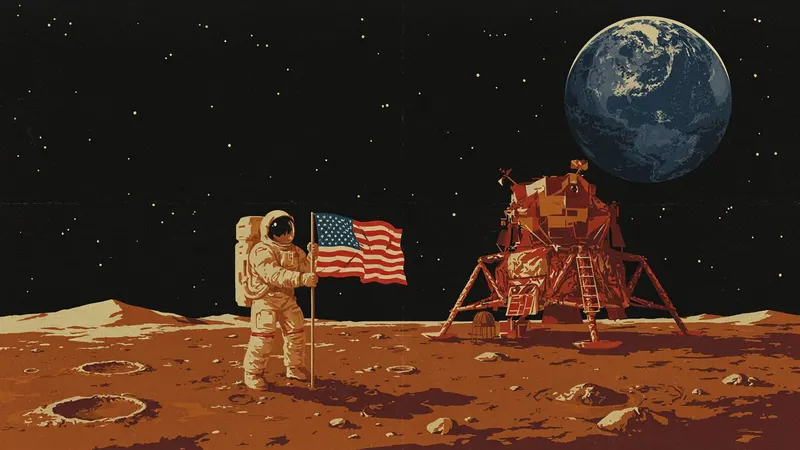
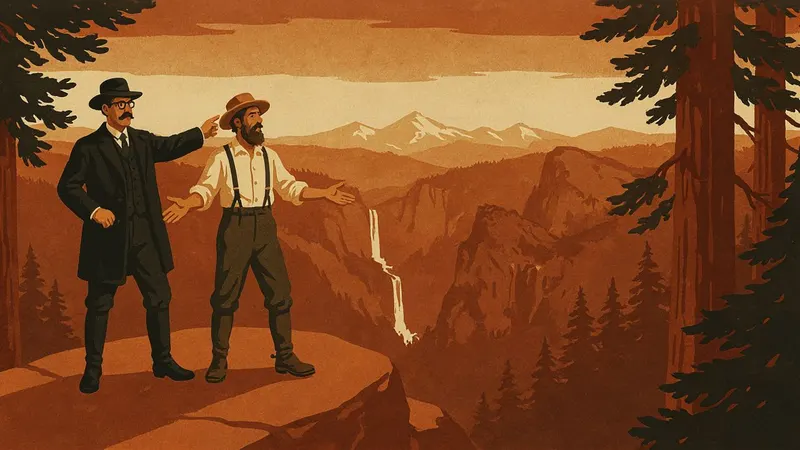
Turn a topic or script into a narrated video where every scene looks like a mid-century screen-printed poster, with captions and one consistent palette.
AI images · Natural pace · Music · Transitions · Can be animated
Opens ShortFast with the Retro Poster style selected. Create an account to generate.
Create a retro poster videoThe retro poster look borrows from mid-century travel and advertising posters: a few flat colors, bold simplified shapes, long shadows, sunbursts and the slightly uneven grain of screen printing. Every frame reads like something you could frame and hang. It is built for nostalgia, so it suits travel stories, the space race, the golden age of rail and the big moments of the twentieth century.
ShortFast makes the whole video from a topic or your pasted script. It writes the script or keeps yours unchanged, adds a narration voice, captions and music, and draws every scene as a new AI image in the poster style. Before drawing, the scene planner sets one limited palette and the recurring places and vehicles, so a video about a train journey looks like a single poster series, not a mix of eras.
Making a retro poster video
- 01
Describe the topic or paste a script
Start from an idea such as "The golden age of rail travel", or paste a script you already wrote and ShortFast keeps your words.
- 02
The AI splits it into scenes
Every scene gets its own picture, and a shared palette, setting and recurring characters keep each image in the Retro Poster look from the first scene to the last.
- 03
Voice, captions and pacing
Pick one of 21 narration voices. Captions are burned in, and the Retro Poster defaults (natural pace, background music, transitions) are already set. You can change any of them.
- 04
Download, post or run a series
Download the video, auto-post it to TikTok, YouTube Shorts and Instagram Reels, or turn the theme into an automated series that makes a new episode on a schedule.
Flat color, bold shapes and why posters read instantly
Travel posters were designed to be understood from across a station platform in a second or two. They use a handful of colors, one dominant shape and a clear horizon. That same economy works on a phone screen. A viewer scrolling past gets the whole scene at a glance, a rocket against a pale sky or a mountain lake at dawn, before the first caption appears.
The style also carries a mood of optimism. Mid-century posters sold the idea that the future and the open road were exciting, and that feeling comes along with the look. It makes topics like how the space race was won or the story of America's national parks feel like an adventure rather than a lecture.
Because the palette is limited, consistency comes easily. Four or five colors repeated across every scene make a video feel designed rather than assembled, and keeping the same palette across a whole series makes the channel recognizable in a crowded feed before anyone reads the title or hears the voice.
Travel, space and twentieth-century stories, and where the look runs out
Places are the strongest subject: cities, national parks, coastlines, famous railways and ocean liners. A series such as a classic travel destination per video gives you a new poster set every time, all in the same visual language. History topics set roughly between the 1920s and the 1970s fit naturally too, since the style comes from that period.
It also works for transport and engineering stories, from the golden age of rail travel to the first jet airliners, and for nostalgia formats like iconic moments of the 20th century, one per video. The simplified shapes suit landmarks, vehicles and landscapes better than people, so lean on those.
It is less suited to intimate stories centered on faces and emotion, since poster figures are deliberately simple. Current tech, finance and news topics can look oddly dated in it, unless the retro contrast is the point of the video. And if a scene needs fine detail or dense information, the flat look will simply leave it out.
Scripting a poster-style video that keeps moving
The defaults here are a natural pace, a new image around every five seconds when the idea moves on, with music and transitions on. Poster images are simple enough to read quickly, but each one is composed like a finished piece, so a steady rhythm lets it land without dragging. A light, upbeat music bed suits the travel mood. All three settings can be changed.
Write the script as a sequence of places or moments, each one a potential poster. "The train leaves Chicago at dawn. By noon it is crossing the plains. By evening, the Rockies." Lines like that give the scene planner a clear subject for every image. For a 60 second video, about a dozen scenes is a comfortable number.
Open with the biggest, most iconic image in the story, then move forward in time or across the map. Ending on a present-day contrast, such as what the station looks like now, gives the nostalgia a point. For longer travel pieces, 16:9 at 2 to 3 minutes suits YouTube, while 9:16 fits Shorts, TikTok and Reels.
Run it as an automated series
Give ShortFast one theme and it makes a new retro poster video on a schedule, every day, twice a day or a few times a week. Each episode covers a new topic on the theme, and the video is emailed to you or posted to your accounts. Themes that work well in this style:
- A classic travel destination per video
- Iconic moments of the 20th century, one each time
Niches that suit this style
Facts
A playbook for running a faceless facts channel: formats that add editorial value, ready-to-use hooks, a full sample script, what to put on screen, and an honest look at RPM and YouTube's inauthentic-content rules.
Open NicheHistory
A playbook for running a faceless history channel: the formats that get watched, ready-to-use hooks, a full sample script, what to put on screen, and an honest look at RPM and how long monetization takes.
OpenCommon questions
- What subjects look best as retro posters?
- Landscapes, landmarks, vehicles and skylines. The style simplifies everything into flat shapes and a few colors, which suits a mountain, a train or a rocket better than a crowded street. Describe one clear subject with a strong horizon in each line of your script, and leave the words to the burned-in captions rather than asking for lettering inside the image.
- Will every scene use the same colors?
- That is the goal of the planning step. Before drawing, the AI that splits your script into scenes sets one shared palette, the setting and any recurring vehicles or characters, and the poster art direction leads every image prompt. The video ends up looking like one printed series rather than posters from different decades.
- Is a retro poster travel channel original enough to monetize?
- The style alone does not make a video original. Platforms reward content that is not repetitive and gives viewers real value, such as a researched story about a place, a surprising detail or a clear point of view. Write a real script for each destination and avoid reusing one structure with the names swapped. Monetization is never guaranteed.
- Can I run a travel poster series or animate the images?
- Yes to both. An automated series with a theme like a classic travel destination per video makes a new episode about a new place every day, twice a day, three times a week or weekly. Animate images adds motion by turning each poster into a short AI clip in the same style, for videos up to 2 minutes, at a higher credit cost.
Other illustrated styles
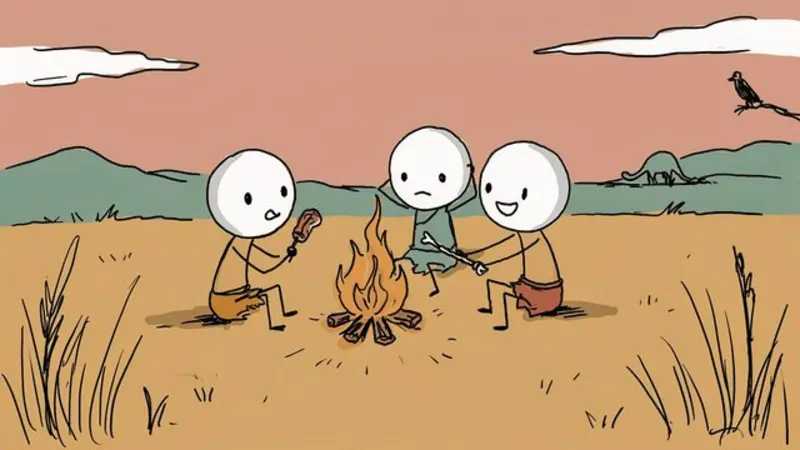
Stick Figures
Hand-drawn doodle characters
Great for History · Psychology · Explainers
AI images · Fast cuts · No music

Cartoon Explainer
Bold, expressive YouTube cartoon
Great for Finance · Business · Explainers
AI images · Natural pace · No music
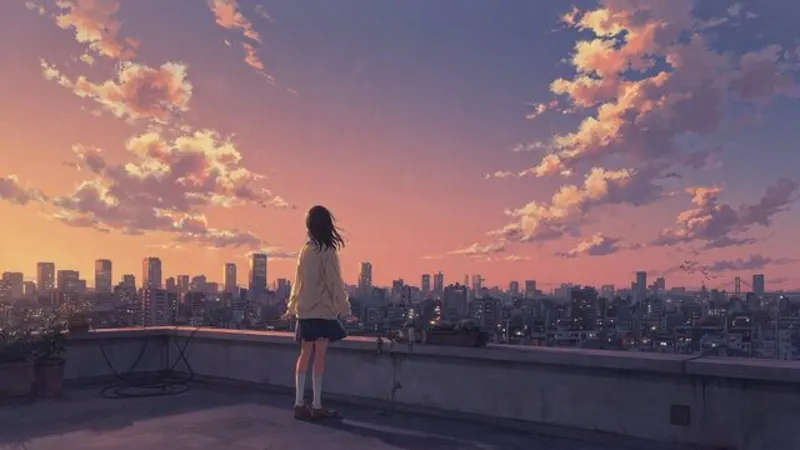
Anime
Cel-shaded, painted skies
Great for Stories · Life lessons
AI images · Natural pace · Music
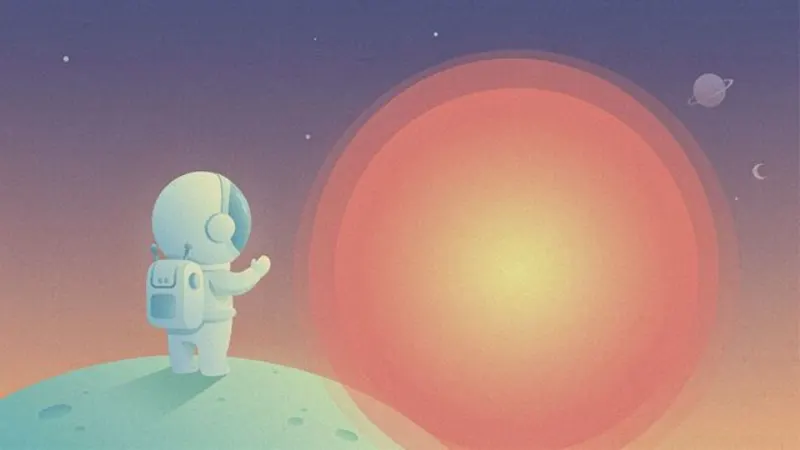
Flat Vector
Clean shapes, science-explainer look
Great for Science · Space · How it works
AI images · Natural pace · Music
Make your first retro poster video
ShortFast writes the script, draws every scene in this style, adds the voice and captions, and can post it for you every day.