AI Paper Cutout Video Generator
Turn a topic or script into a narrated video where every scene is built from layered handmade paper, with captions, music and a consistent look.
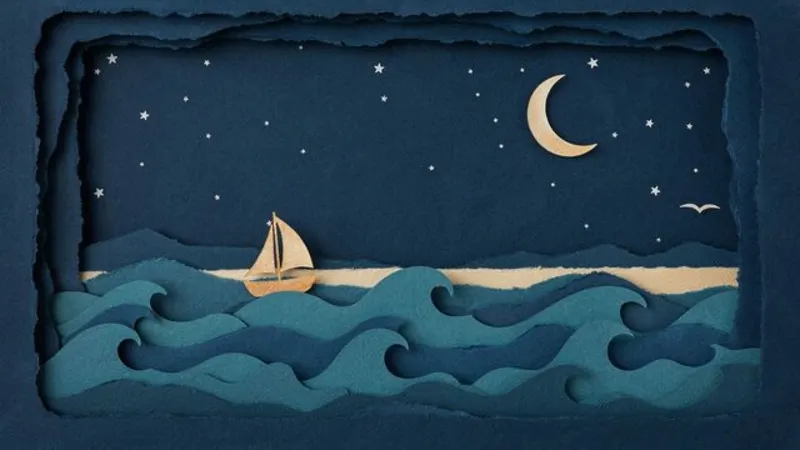
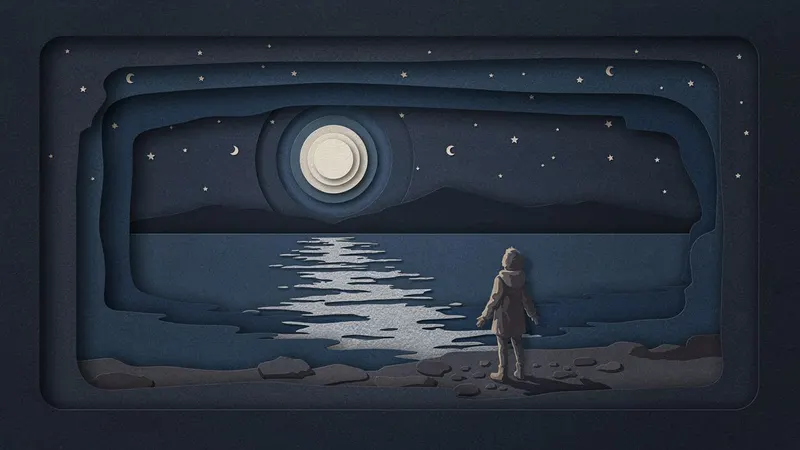
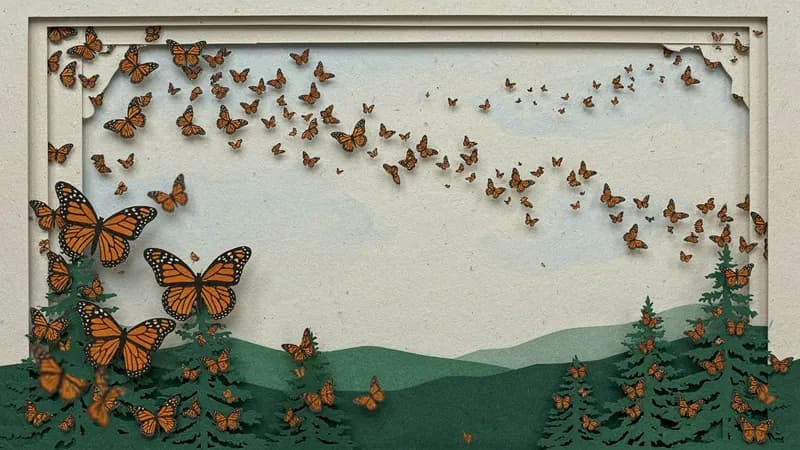
AI images · Natural pace · Music · Transitions · Can be animated
Opens ShortFast with the Paper Cutout style selected. Create an account to generate.
Create a paper cutout videoPaper cutout scenes look handmade: layers of colored paper cut into shapes and stacked with small gaps, so each layer casts a soft shadow on the one behind it. You can see the fiber of the paper and the slightly imperfect edges of every cut. The result feels like a shadow box or a pop-up book, warm and tactile, which suits fairy tales, folk stories and gentle nature explainers.
ShortFast turns a topic or your pasted script into the finished video. It writes the script or keeps yours word for word, adds narration, captions and music, and builds each scene as a new AI image in the paper cutout style. The scene planner decides the palette, the setting and the recurring characters first, so the moon and the sea in scene one are the same paper moon and sea at the end.
Making a paper cutout video
- 01
Describe the topic or paste a script
Start from an idea such as "How the ocean's tides work", or paste a script you already wrote and ShortFast keeps your words.
- 02
The AI splits it into scenes
Every scene gets its own picture, and a shared palette, setting and recurring characters keep each image in the Paper Cutout look from the first scene to the last.
- 03
Voice, captions and pacing
Pick one of 21 narration voices. Captions are burned in, and the Paper Cutout defaults (natural pace, background music, transitions) are already set. You can change any of them.
- 04
Download, post or run a series
Download the video, auto-post it to TikTok, YouTube Shorts and Instagram Reels, or turn the theme into an automated series that makes a new episode on a schedule.
Depth you can almost touch: why layered paper works
The layering gives each image built-in depth. A foreground of grass, a middle layer with an animal, a far layer of hills and a paper sun behind them: the eye reads the scene from front to back in a moment. That makes layered paper surprisingly good at explaining things, because it separates the parts of a scene the way a diagram would, but with warmth instead of labels.
It also feels made by hand. Viewers sense the effort in a craft look even when they know it is digital, and that impression of care matters for stories aimed at children and families. It reads as gentle and thoughtful rather than slick, which is the tone most fairy tales and nature stories are after.
The texture keeps it from ever feeling flat or cheap. Paper grain, cut edges and the small shadows between layers give every frame something to look at, even in a simple scene with a single animal or a single wave. That detail is what lets the style hold a viewer's eye without needing a crowded composition.
Fairy tales, animals and the natural world, and when to pick something else
Folk and fairy tales are the most natural fit: a fairy tale about the moon and the sea, a trickster story from West Africa, a winter legend from Scandinavia. A series like a fairy tale from around the world each time gives the channel a clear identity and an almost endless supply of stories to retell.
Nature and science topics work well too, because layers can show processes. How the ocean's tides work becomes a moon, a globe and a layer of water that rises and falls. The great migration of monarch butterflies becomes a map built from paper strips. One amazing animal fact per video is a strong recurring format for curious kids and adults alike.
It is not the right look for fast, gritty or realistic content. True crime, breaking news, tech reviews and anything that needs a real face or precise product detail will feel mismatched. Paper also gets harder to read when scenes are crowded, so it rewards simple compositions and punishes busy ones.
Building a paper cutout video scene by scene
The default here is a natural pace, with a new image when the idea moves on, around every five seconds, and music and transitions on. That gives each layered scene a moment to register without letting a story drag, and soft transitions between paper scenes feel like turning pages. You can switch to slow for bedtime-style storytelling or change the music and transitions.
Write each line as a single stage set: one or two subjects, a background and a time of day. "The moon leaned down over the dark water" gives a clear composition. "Everyone in the kingdom gathered at the palace" asks for a crowd, which loses the charm of the paper look. For a 60 second fairy tale, about a dozen scenes is a comfortable count.
Hook with a question or a small mystery: "Why does the sea rise twice a day?" or "The moon once had a secret." Keep one clear lesson or payoff at the end. For explainers posted to Instagram, 4:5 or 1:1 can suit the feed, while 9:16 remains the default for Shorts, TikTok and Reels.
Run it as an automated series
Give ShortFast one theme and it makes a new paper cutout video on a schedule, every day, twice a day or a few times a week. Each episode covers a new topic on the theme, and the video is emailed to you or posted to your accounts. Themes that work well in this style:
- A fairy tale from around the world each time
- One amazing animal fact per video
Niches that suit this style
Facts
A playbook for running a faceless facts channel: formats that add editorial value, ready-to-use hooks, a full sample script, what to put on screen, and an honest look at RPM and YouTube's inauthentic-content rules.
Open NicheKids Learning
A playbook for a faceless kids learning channel: alphabet, numbers and animal explainers built on real footage, with formats, hooks, a sample script and a practical guide to made-for-kids rules and their effect on revenue.
OpenCommon questions
- How do I make a paper cutout scene explain something clearly?
- Describe it as layers. Name what sits in front, what sits in the middle and what is far behind, for example a butterfly in front, a field of milkweed in the middle and mountains at the back. The style already adds the cut edges and soft shadows, so your job is a simple composition with one idea per scene.
- Do characters and colors stay consistent from scene to scene?
- Yes. The AI that splits your script into scenes writes a shared palette, setting and set of recurring characters before any image is drawn, and the paper cutout art direction leads every prompt. So your paper fox keeps its colors and shape throughout, and the video looks like one handmade set. Small variations between scenes can still appear.
- Can a paper cutout story channel make money?
- It can qualify for monetization like any channel, but nothing guarantees it. Platforms reward original, non-repetitive content that gives viewers real value. Retell each tale in your own words, add context about where it comes from, and vary your stories and structures rather than repeating one template with new animals.
- Can I animate the paper scenes or schedule a series?
- You can do both. Animate images turns each paper scene into a short AI video clip in the same style, which suits drifting clouds or moving water, for videos up to 2 minutes, at a higher credit cost. An automated series such as one amazing animal fact per video makes a new episode on a new topic on your chosen schedule.
Other illustrated styles
Stick Figures
Hand-drawn doodle characters
Great for History · Psychology · Explainers
AI images · Fast cuts · No music
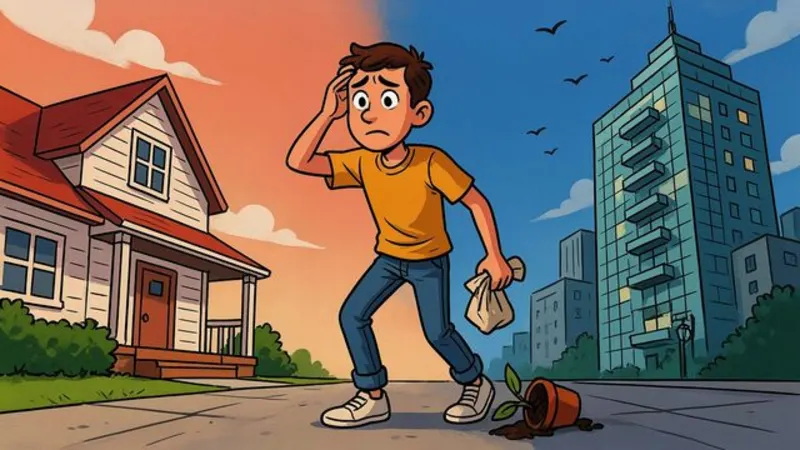
Cartoon Explainer
Bold, expressive YouTube cartoon
Great for Finance · Business · Explainers
AI images · Natural pace · No music
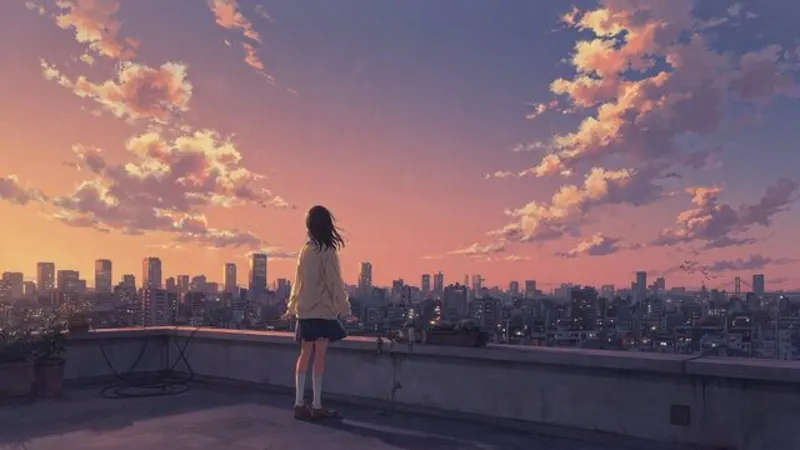
Anime
Cel-shaded, painted skies
Great for Stories · Life lessons
AI images · Natural pace · Music
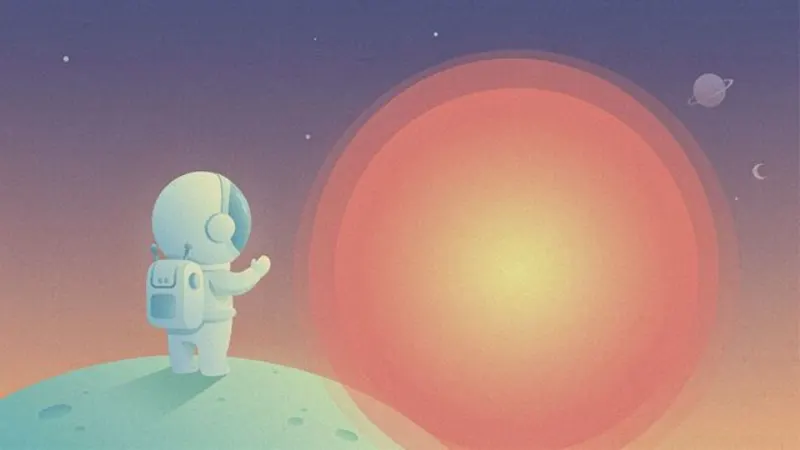
Flat Vector
Clean shapes, science-explainer look
Great for Science · Space · How it works
AI images · Natural pace · Music
Make your first paper cutout video
ShortFast writes the script, draws every scene in this style, adds the voice and captions, and can post it for you every day.