AI Ukiyo-e Video Generator
Turn a topic or script into a narrated video drawn as Japanese woodblock prints, with captions, a restrained palette and figures that stay consistent.
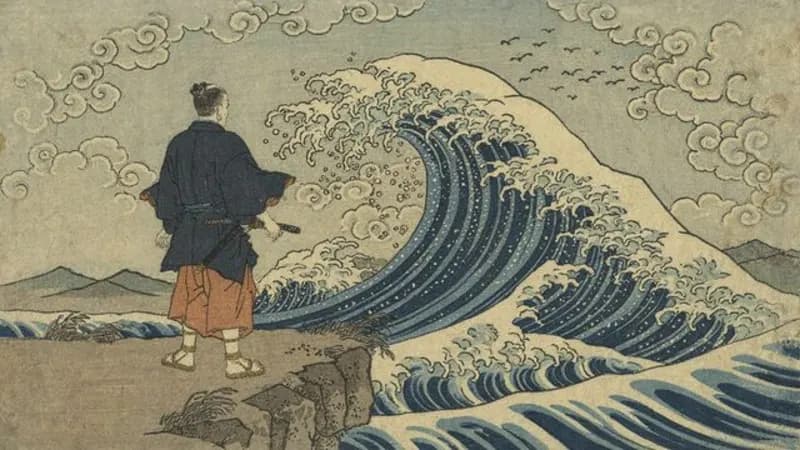
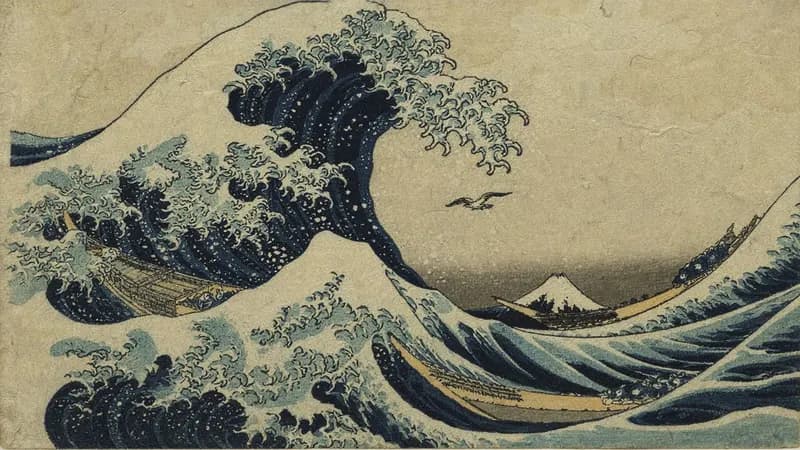
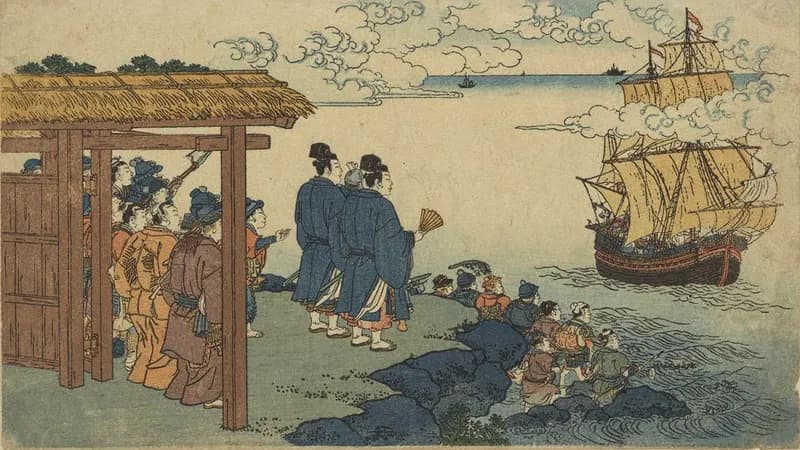
AI images · Slow pace · Music · Transitions · Can be animated
Opens ShortFast with the Ukiyo-e style selected. Create an account to generate.
Create a ukiyo-e videoUkiyo-e is the Japanese woodblock print tradition that flourished in the Edo period: strong black outlines, flat areas of color, patterned kimono, stylized waves and clouds, and the soft grain of paper under the ink. The name means pictures of the floating world. As a video style, it gives Japanese legends, samurai history and folklore a look that belongs to the stories themselves.
ShortFast builds the video from a topic or your own script. It writes the script or keeps yours word for word, adds narration, captions and music, and draws every scene as a new AI image in the woodblock print style. The scene planner sets a shared palette, the setting and the recurring figures before drawing, so a ronin, a lord and a castle keep the same look across the whole story.
Making a ukiyo-e video
- 01
Describe the topic or paste a script
Start from an idea such as "The legend of the 47 ronin", or paste a script you already wrote and ShortFast keeps your words.
- 02
The AI splits it into scenes
Every scene gets its own picture, and a shared palette, setting and recurring characters keep each image in the Ukiyo-e look from the first scene to the last.
- 03
Voice, captions and pacing
Pick one of 21 narration voices. Captions are burned in, and the Ukiyo-e defaults (slow pace, background music, transitions) are already set. You can change any of them.
- 04
Download, post or run a series
Download the video, auto-post it to TikTok, YouTube Shorts and Instagram Reels, or turn the theme into an automated series that makes a new episode on a schedule.
Outlines, flat color and the floating world: what the print style says
Woodblock prints were made by carving each color into a separate block, so the images rely on clean outlines and flat fields of color rather than soft shading. On a phone screen that clarity is an advantage: figures separate cleanly from the background and the composition reads at a glance, even when the scene includes waves, rain or a crowded bridge.
The style also signals a time and a place before a word is spoken. A viewer sees the outlines, the deep blues and muted reds, the stylized sea, and knows the story is set in old Japan. That shortcut lets the narration get straight to the story instead of spending the first seconds on context.
Ukiyo-e has a long tradition of dramatic subjects: warriors, actors, travelers, ghosts and landscapes under snow or storm. That range means the style handles quiet and intense moments equally well, from a poet sitting by a river at dusk to a night attack at a castle gate, without the look breaking between them.
Japanese legends, samurai history and folklore, and where it does not belong
The clearest fits are Japanese stories: the legend of the 47 ronin, why Japan closed its borders for 200 years, the life of a famous swordsman, or the tale of a fox spirit. Series themes like a Japanese legend every day or a moment in samurai history per video give a channel a clear identity and a deep supply of material.
Japanese ghost and yokai stories deserve a special mention. Ghost prints were a real part of the tradition, and eerie folklore told over woodblock-style scenes feels both unsettling and authentic. Proverbs and short life lessons from Japanese culture also work well, especially with a slow, calm narration.
It is a poor fit for topics unrelated to Japan or its history. A video about personal finance or modern tech in ukiyo-e can look like a gimmick unless the contrast is deliberate. Be careful with cultural accuracy too: check names, dates and customs, because viewers who know the history will notice mistakes and say so in the comments.
Pacing a woodblock story: slow holds and strong compositions
ShortFast sets this style to a slow pace by default, so each print holds for 8 to 15 seconds. Woodblock compositions are detailed and meant to be looked at, and a slow rhythm pairs well with measured, storyteller narration. Music is on to carry atmosphere, and transitions are on so one print flows into the next. If a story needs more energy, switch to the normal pace, a new image around every five seconds.
At the slow pace, a 60 second video has only four to seven scenes, so each one has to count. Build the script around key tableaux: the oath, the long wait, the night attack, the aftermath. Give each scene a place, a time of day and a weather detail, such as snow on a gate or rain on a bridge, since weather is a signature of the print tradition.
For longer legends, 2 to 3 minutes gives the story room to breathe, and the Advanced plan allows 8 to 15 minute videos for full historical episodes on YouTube. Open with the moment of highest stakes, then step back to explain how it came to that, and end on what the story is still remembered for.
Run it as an automated series
Give ShortFast one theme and it makes a new ukiyo-e video on a schedule, every day, twice a day or a few times a week. Each episode covers a new topic on the theme, and the video is emailed to you or posted to your accounts. Themes that work well in this style:
- A Japanese legend every day
- A moment in samurai history per video
Niches that suit this style
History
A playbook for running a faceless history channel: the formats that get watched, ready-to-use hooks, a full sample script, what to put on screen, and an honest look at RPM and how long monetization takes.
Open NicheScary Stories
A playbook for running a faceless scary stories channel: formats built on original fiction and folklore, ready-to-use hooks, a full sample story, what to put on screen, content-policy cautions, and an honest look at RPM and monetization timing.
OpenCommon questions
- What makes an AI image look like a real ukiyo-e print?
- The style's art direction handles the outlines, flat color and paper texture, so focus your script on subjects the tradition actually used: landscapes, weather, warriors, travelers, actors and spirits. Mention a season or weather where it fits. Avoid modern objects unless the contrast is intentional, since they break the period feel immediately.
- Will the same samurai look the same in every scene?
- The planning step is built for that. Before drawing, the AI that splits your script into scenes writes a shared palette, setting and description of each recurring figure, such as a ronin's clothing and crest, and the woodblock art direction leads every image prompt. The video reads as one print series, though small differences between scenes can still occur.
- Is a channel built on a traditional art style original enough to monetize?
- Using a historical art style is fine. What platforms reward is original, non-repetitive content with real value. The images ShortFast draws are new for each video, but the value still comes from your script: accurate research and a clear telling. Monetization is never guaranteed, and repetitive, templated uploads work against you.
- Can I animate the prints or run a daily legends series?
- Yes. Animate images turns each print into a short AI video clip in the same woodblock style, such as rolling waves or falling snow, for videos up to 2 minutes, at a higher credit cost. An automated series like a Japanese legend every day makes a new episode about a new legend on your schedule, then posts it or emails you a download link.
Other art styles
Make your first ukiyo-e video
ShortFast writes the script, draws every scene in this style, adds the voice and captions, and can post it for you every day.