AI Classical Painting Video Generator
History, empires and philosophy told through scenes painted like old-master oils, with narration, captions and music.
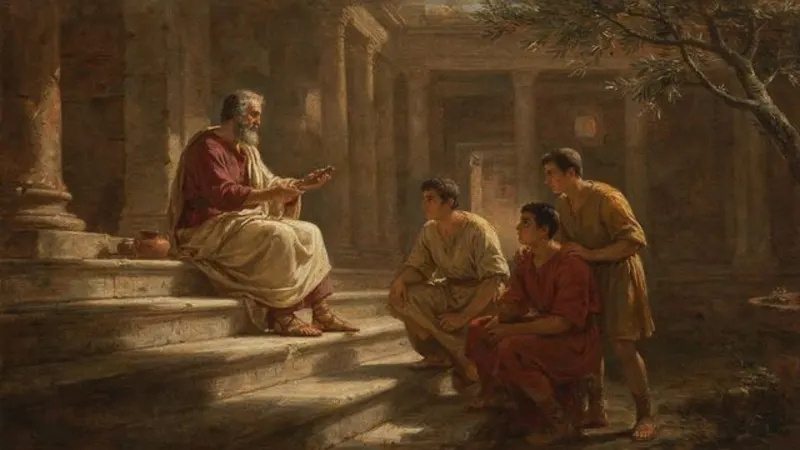
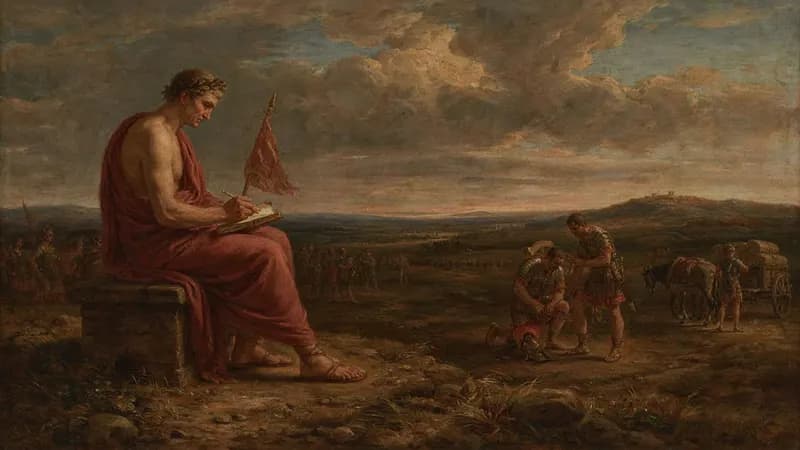
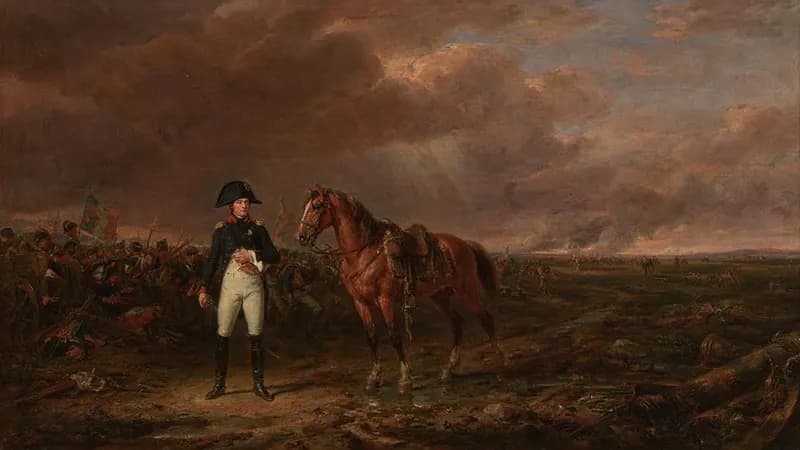
AI images · Slow pace · Music · Transitions · Can be animated
Opens ShortFast with the Classical Painting style selected. Create an account to generate.
Create a classical painting videoThe classical painting look borrows from the old masters: oil texture, rich dark backgrounds, figures lit by a single warm light, dramatic gestures and carefully arranged scenes. Battles, senate floors, deathbeds, coronations, a philosopher alone at a desk. It gives a story weight before anyone speaks, because audiences already connect this kind of image with history and serious ideas.
ShortFast turns a topic such as the fall of the Roman Empire or Napoleon's greatest defeat, or your own script, into a finished video. Every scene is painted as its own image in this style, the narration is written or kept word for word, captions are burned in and music runs underneath. The result is ready to download or post to TikTok, YouTube Shorts and Instagram Reels.
Making a classical painting video
- 01
Describe the topic or paste a script
Start from an idea such as "The fall of the Roman Empire", or paste a script you already wrote and ShortFast keeps your words.
- 02
The AI splits it into scenes
Every scene gets its own picture, and a shared palette, setting and recurring characters keep each image in the Classical Painting look from the first scene to the last.
- 03
Voice, captions and pacing
Pick one of 21 narration voices. Captions are burned in, and the Classical Painting defaults (slow pace, background music, transitions) are already set. You can change any of them.
- 04
Download, post or run a series
Download the video, auto-post it to TikTok, YouTube Shorts and Instagram Reels, or turn the theme into an automated series that makes a new episode on a schedule.
Light, gesture and the weight of an oil painting
Old-master paintings were made to tell stories at a glance. Strong contrast between light and shadow points the eye to the one thing that matters: the emperor's face, the raised sword, the letter on the table. Gestures are exaggerated so the emotion reads from across a room. Those same qualities read well on a phone screen held at arm's length.
The palette is deep browns, golds, crimson and shadowed greens, with visible brushwork. It feels timeless rather than dated, and it lets a video move across centuries, from Rome to Waterloo, without looking like a patchwork of sources. A whole video in one painted look feels like a gallery walk with a narrator.
Painting also avoids a problem photoreal AI has with history. Nobody expects a painted Julius Caesar to be a photograph, so the viewer accepts it as an interpretation. That makes it an honest way to show events no camera ever recorded.
Empires, philosophers and scripture, and topics that clash with oil paint
It fits anything before photography: ancient empires, medieval kings, revolutions, famous battles, religious stories, myths and the lives of philosophers. A series like a great empire's rise and fall, one per video, or a philosopher's big idea every day, can run for months with a new subject each time. Faith and Bible story channels use it naturally, since so much religious art was painted this way.
Keep the facts straight even though the images are interpretive. Dates, names and cause and effect still need checking, and history audiences correct errors in public. The images are new paintings in an old manner, not reproductions of real artworks, so do not caption a scene as if it were a specific famous painting.
The look fights modern topics. A video about smartphones or crypto in oil paint reads as a joke, which can work once as a deliberate contrast but not as a channel. Stories from the photographic era usually suit the vintage archive style better, and rapid-fire listicles lose the slow, deliberate feel that makes painting work.
Slow scenes and one clear arc: scripting an empire in a minute
The default is slow pace: each image holds for 8 to 15 seconds so viewers can take in a painted scene the way they would in a gallery. That means around four to seven paintings in a one-minute video, with music and transitions on by default, all of which you can change. For a long empire story, the 8 to 15 minute length on the Advanced plan gives each era its own run of scenes.
Pick one arc per video. The fall of the Roman Empire covers centuries, so choose a thread: the division of the empire, the sack of Rome in 410, or the last Western emperor deposed in 476. One turning point told well beats a rushed timeline. Open on a concrete image, like a city that had not fallen to a foreign army in roughly 800 years, then explain how it got there.
The AI that splits your script into scenes plans a shared palette, setting and recurring characters, so Napoleon in scene two is recognizably the same man in scene seven. Choose a deep, steady narrator for empires or a softer voice for philosophy, and end on why it still matters: a law, a word or an idea that outlived the empire.
Run it as an automated series
Give ShortFast one theme and it makes a new classical painting video on a schedule, every day, twice a day or a few times a week. Each episode covers a new topic on the theme, and the video is emailed to you or posted to your accounts. Themes that work well in this style:
- A great empire's rise and fall, one per video
- A philosopher's big idea every day
Niches that suit this style
Faith and Bible Stories
A playbook for a faceless faith channel: Bible story retellings, daily verses and reflections told with care, covering formats, hooks, a sample script, originality rules and realistic earning ranges.
Open NicheHistory
A playbook for running a faceless history channel: the formats that get watched, ready-to-use hooks, a full sample script, what to put on screen, and an honest look at RPM and how long monetization takes.
Open NicheQuotes
A playbook for a faceless quotes channel: philosophy, words of wisdom and quote compilations that add editorial value. Formats, hooks, a sample script, RPM ranges and how to stay clear of YouTube's inauthentic-content rules.
OpenCommon questions
- How is this different from the marble statue style?
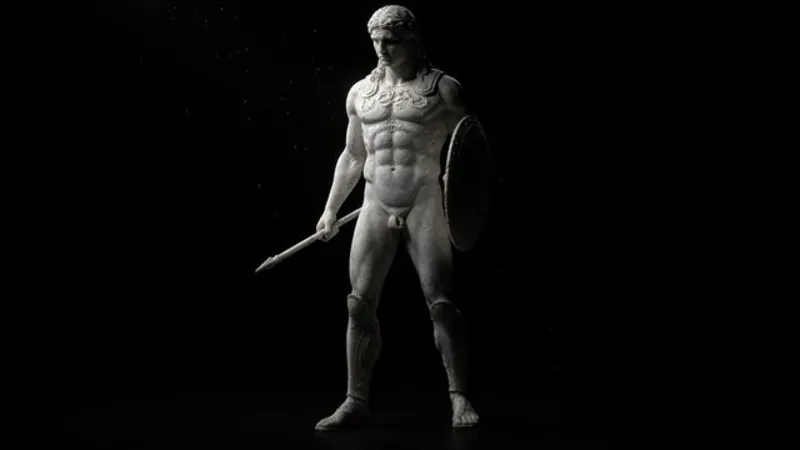
- Classical painting shows scenes: people, places and events, in color and in action. Marble statues show a single carved figure in a quiet, gray mood. Use painting to tell what happened, such as a battle or a fall from power, and statues to deliver an idea, such as a Stoic rule. Some philosophy videos suit either.
- Will the same historical figure look the same across scenes?
- The AI that splits your script into scenes defines recurring characters, a setting and a shared palette before anything is drawn, and the old-master art direction leads every prompt. That keeps an emperor or a general consistent in face, costume and color through the video. Mention distinctive details, like a uniform or a crown, in your script when they matter.
- Can a history channel in a painted style be monetized?
- There is no guarantee. Platforms reward original, non-repetitive content with real value, so research each video, tell a specific story rather than a generic summary, and vary topics across episodes. The painted style helps a channel look distinct and is open about being an interpretation, but the script is what viewers stay for.
- Can the paintings move, and can this run as a series?
- Animate images turns each painting into a short AI video clip in the same style, billed per second of video and available on videos up to 2 minutes. For an ongoing channel, set a theme like a philosopher's big idea every day, choose a schedule, and ShortFast produces a new episode each time, posted for you or emailed with a download link.
Other art styles
Make your first classical painting video
ShortFast writes the script, draws every scene in this style, adds the voice and captions, and can post it for you every day.